Signals Between Rounds
The most useful technology gives a coach a better question to ask. It does not turn a session into a contest between dashboards.
Choose the question before the device
A gym can collect more information than anyone has time to use. Start by identifying the decision that needs support. Are rounds starting consistently? Is an athlete keeping to an agreed work pattern? Does a technical change remain visible late in a session? These questions call for different tools, and some need no electronic measurement at all.
A clear round timer is often the most valuable shared device in the room. Position it so athletes and coaches can read it without turning away from the working area. Audible cues should be distinguishable without becoming needlessly loud. Test visibility in daylight and under the lighting used for evening sessions, rather than judging the display only when the gym is empty.
Decide who controls the programme. Several unsynchronised timers can create confusion when groups share a floor. A named coach, a repeatable setting process and an obvious way to pause a session may be more valuable than remote-control features. Keep the equipment accessible for setup but outside strike, splash and collision zones.

Know what the number represents
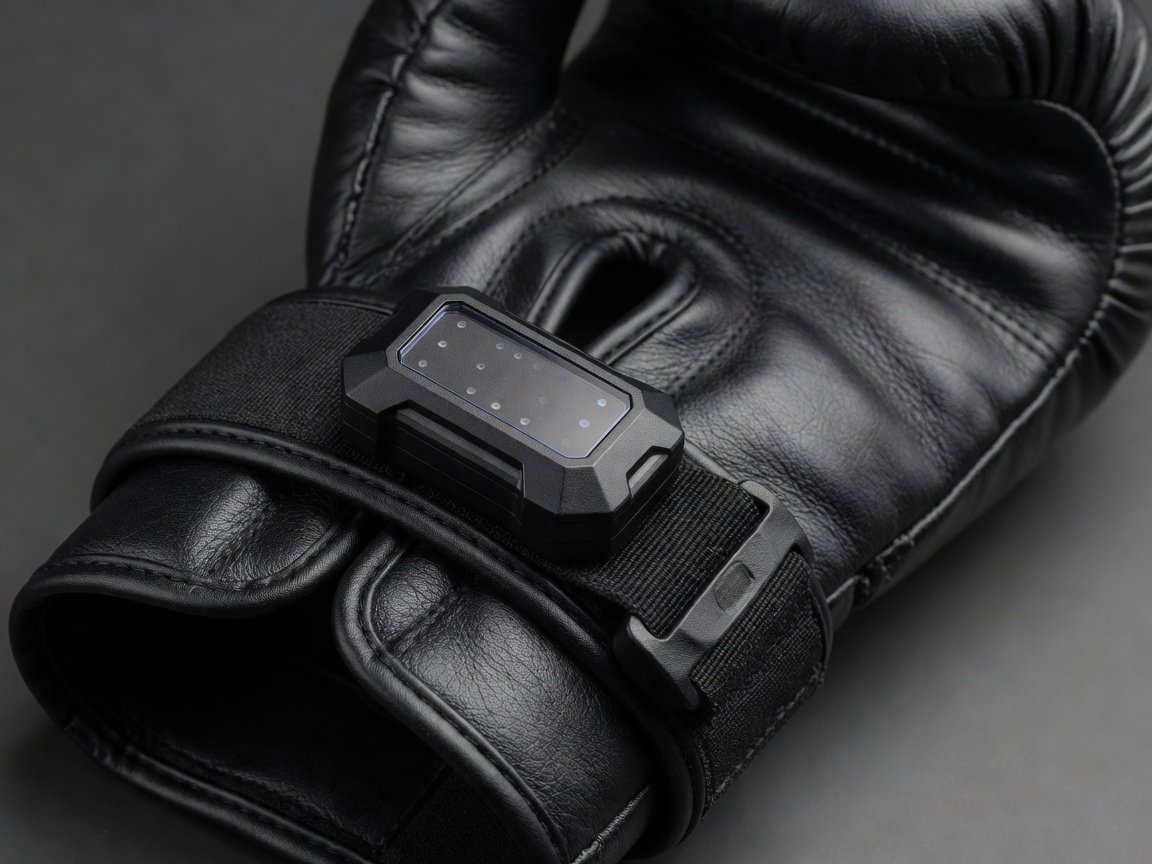
A punch sensor may estimate movement, count detected events or produce a proprietary score. Those outputs are not interchangeable with independently measured impact force. Ask the supplier what is actually sensed, how the output is calculated and which conditions were used for validation. Marketing words such as “power” need a defined meaning before they become useful coaching language.
Consistency matters when tracking change. Sensor position, glove, target, firmware and drill can all influence a result. Record enough context to understand the comparison, and avoid ranking athletes across devices as though every number used the same scale. A stable setup may support within-athlete observation while remaining unsuitable for wider claims.
Heart-rate tools can add context to workload, but readings can be affected by movement, fit and individual physiology. Do not use a consumer output to diagnose a condition or clear someone to continue after an injury. Symptoms, coaching observation and appropriate medical pathways remain essential. Head-impact devices likewise cannot rule out concussion or replace clinical assessment.
Use video with a narrow purpose
A short clip can help a coach explain stance, timing or position. Fix the camera where it does not obstruct circulation and where its view is appropriate to the task. A wide shot may show movement through space, while a closer angle can hide what happens outside the frame. Explain this limitation before treating the recording as a complete account.
Keep feedback short enough to fit the session. Select one observation, discuss it and return to practice. Repeatedly gathering athletes around a screen can leave other stations unsupervised. Plan where review happens so that a small group does not block the ring steps or draw attention away from active training.
| Tool | Useful question | Important limitation |
|---|---|---|
| Round timer | Are work and recovery periods coordinated? | Timing alone does not describe intensity. |
| Video | What changed in this movement? | Framing can conceal important context. |
| Heart-rate monitor | How did this recorded response vary? | Readings are not a diagnosis. |
| Punch sensor | Is this output consistent in the same drill? | Device scores may not be comparable. |
Design a data routine as carefully as a station
Training records can reveal personal information. Decide what is needed, who may see it and when it will be deleted before switching on a platform. Depending on the context, health-related information may require additional safeguards and a valid condition for processing beyond an ordinary lawful basis. Consult the Information Commissioner’s Office and obtain appropriate advice for the actual programme.
Explain recording in language athletes can understand. Separate coaching analysis from public promotion: permission or another basis for one does not automatically justify the other. Youth programmes require particular care, including safeguarding procedures and suitable involvement of parents or guardians where appropriate. Do not display identifiable rankings publicly simply because the software offers a leaderboard.
Review supplier terms, account ownership, exports and deletion. A coach leaving should not take the only copy of essential records in a personal account. Use appropriate access controls and device locks, and avoid collecting footage in changing areas. Ask what happens to data when a subscription ends, not just what the dashboard can show while it is active.
Finally, keep a low-technology fallback. Batteries fail, networks drop and updates change interfaces. A session should remain coherent with a basic timer, a written plan and direct coaching. Technology earns its place when it improves a decision without becoming a new point of dependence.
A useful signal needs a ready room
Power, cleaning, lighting and maintenance determine whether equipment remains dependable.
Next: keep the gym ready